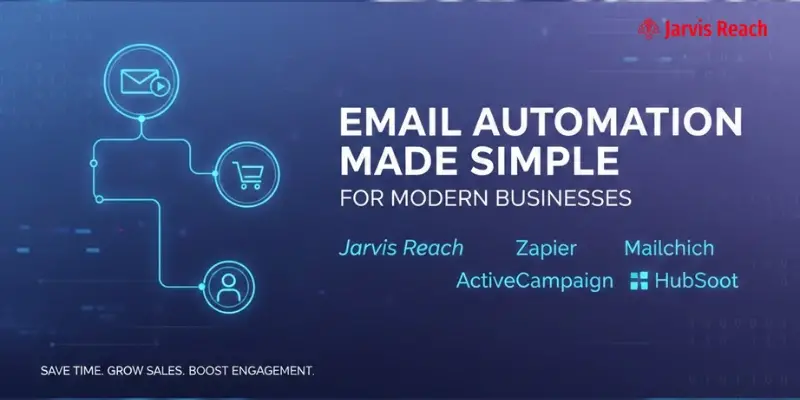
What is email automation?
Email automation is the system that sends the right email at the right moment without you manually pressing send each time. With email automation, subscribers receive messages based on actions, timing, interest or stage in the journey. Instead of bulk sending one message to everyone, automation builds rhythm and relevance.
It works quietly in the background through email automation tools and email automation software, making sure every subscriber is guided from welcome to follow-up to sales without inbox overwhelm. That’s why brands use email workflow automation to stay consistent, organized and personal at scale.
Common examples of email automation
If you’ve ever signed up for something and received a welcome email instantly, you’ve experienced automated email marketing in action. Here are everyday examples that show how smooth it can be:
– Welcome series after a signup
– Automated follow up after a link click
– Birthday or milestone messages
– Cart recovery nudges after browsing
– Post purchase thanks and support emails
– Re engagement reminders if someone goes silent
Each of these runs on automated email campaigns and a well-structured automated email system, so you stay top of mind without manually drafting every single touch.
How to Set Up Your Email Automation
Start simple. Your first automated journey should guide, not overwhelm. When a subscriber enters your world, they should feel welcomed, understood and supported without being pushed to buy too soon.

1. Pick your platform
Begin with a platform that fits your goals, not just its feature list. If you need clean automation without heavy learning time, choose tools that let you build flows visually. What matters most is ease of setup and clarity in tracking. Your system should work with you, not slow you down.
2. Map your journey
Before writing a single line, outline what your subscriber needs first. Do they need a welcome, an onboarding guide, a value-packed resource or a reminder to complete something they started? Think of it like a path. Each step should have a purpose and a finish point. Mapping keeps your flow from turning into a random sequence of messages.
3. Write short sequences
Your audience doesn’t want long explanations. They want clarity. Focus each message on one intention: welcome, educate, guide, remind, invite or convert. Short doesn’t mean less valuable. It means more digestible. Automated email marketing works best when each message lands with clarity instead of pressure.
4. Add triggers
Triggers are the heartbeat of your automated email system. They decide when the platform sends the right message without you stepping in. Set triggers based on actions like form signups, abandoned carts, clicks, downloads or completed purchases. When aligned properly, the system feels human even though it runs automatically.
5. Test timing
Timing is where most automation fails. One email sent too early feels pushy, while one sent too late feels disconnected. Let your audience breathe between touchpoints. Test intervals like 24 hours, 48 hours or 3 days depending on the journey. Good timing doesn’t rush the reader. It leads them.
6. Track behavior
This is where email workflow automation becomes your advantage. Study opens, pauses, replies and drop-offs to understand how your subscribers react. If most readers stop at message three, change the tone or move your offer later. If your click-through rate drops, add more context before asking for action. The goal isn’t to send emails but to listen through data.
Your automation will never be perfect on day one. It doesn’t need to be. What matters is movement, clarity and relevance. When each step supports instead of sells, your subscribers feel understood. That feeling is what turns contacts into customers and customers into loyal participants of your brand journey.
Key Advantages of email automation
1. Always active, even when you aren’t
2. Boosts conversions without more content pressure
3. Keeps new subscribers warm and informed
4. Supports retention instead of chasing constant acquisition
5. Turns leads into repeat buyers with helpful timing
6. Clear insight into performance through email workflow automation
With email automation, workshops, campaigns and nurturing require planning once but deliver value daily.
Difference between email automation and email marketing automation
They sound similar but the intent shifts slightly.
| Feature | Email automation | Email marketing automation |
| Core purpose | Sends emails automatically based on actions or timing | Manages full customer lifecycle from first signup to retention |
| Main focus | Triggered messaging like welcomes, reminders, follow ups | Segmentation, scoring, workflows, analytics and multi-step nurturing |
| Personalization level | Basic behavioral triggers like clicks or signups | Deep segmentation based on interests, purchase stage and engagement |
| Workflow complexity | Usually single-purpose flows | Multi-layered journeys with branching paths and targeted offers |
| Data handling | Tracks opens and clicks | Tracks intent, behavior, revenue impact and journey drop off |
| Example triggers | Download, cart abandon, subscribe, birthday | Lead scoring, sales pipeline steps, retention campaigns, upsell paths |
| Who uses it most | Small teams needing simple automation | Scaling brands with multi-channel nurturing |
| Message style | Direct, short and action based | Educational, relational and long-term nurturing |
| Outcome | Timely delivery with hands off execution | A guided journey that supports, nurtures and converts |
| Goal | Reduce manual sending | Increase relationship depth and predictable conversions |
In short, email automation sends the right message automatically, while email marketing automation manages the full end-to-end customer journey.
Best email automation tools
If you want your automated email marketing platform running without stress, start with tools built to map every step of your customer journey clearly and consistently.
1. Jarvis reach
Jarvis reach stands out because it keeps automation simple without losing strategy. You can build sequences quickly; tag subscribers based on behavior and watch the entire journey in a clear visual view. It works for creators, coaches, agencies or anyone who wants a scalable system without spending days learning it. From onboarding to retention, every message lands with purpose.
2. Zapier
Zapier works behind the scenes to connect your email platform with almost any other tool. When a new signup happens, a podcast drops, a course sale is made or a webinar is scheduled, Zapier pushes the right trigger so your email sends automatically. It’s the glue that makes automation run even when you’re away.
3. Mailchimp
Mailchimp is ideal for simple list building and quick automation paths. You can send welcome flows, follow up reminders and personalized offers based on how someone interacts with your emails. It also has strong analytics so you can track what messages convert and where subscribers drop.
4. Active Campaign
Active Campaign takes automation deeper with advanced segmenting. If someone clicks, opens, buys or ignores, the system instantly changes their pathway. It’s built for brands that want behavioral targeting and smarter scoring to make every email feel personal.
5. HubSpot
HubSpot is a full CRM with automation included. Your sales team, customer support and email marketing live in one space. Every action from a call note to a webpage visit can trigger an email, making the journey seamless from the first contact to long term retention.
These five tools make automation smoother and strategy sharper. Start with clarity, build with intent and pick systems that grow with your audience not against them.
Conclusion
Email automation is what keeps your brand consistent even on quiet days. Instead of sending reminders, welcomes, follow ups and offers manually, your system does the work while your voice stays honest and relatable. With the right mix of email automation software, timing and thoughtful intent, your inbox turns into a customer journey rather than a broadcast channel.
FAQs
1. How to send 10,000 emails at once?
Use a trusted email automation platform that supports bulk sending and automated email campaigns. Upload a clean, segmented list, set up your campaign or workflow, and let the system deliver emails at scale while managing timing and deliverability automatically.
2. How to know if an email is automated?
Automated emails are usually triggered by an action or timing, such as a signup, click, or purchase. They often arrive instantly or at consistent intervals and follow a clear sequence rather than feeling manually written each time.
3. What is NRR in email?
NRR stands for Net Revenue Retention. In email marketing, it measures how much revenue you retain from existing subscribers over time, including renewals, upgrades, and repeat purchases driven by automated email marketing.
4. What is the +1 email trick?
The +1 email trick is sending one extra follow up email after your main message. This reminder often boosts opens and replies by catching subscribers who missed or ignored the first email without adding pressure.